Blown in insulation in the Rio Grande Valley
Loose fill fiberglass or cellulose blown across your attic floor. The best value for adding depth to a thin or settled attic.
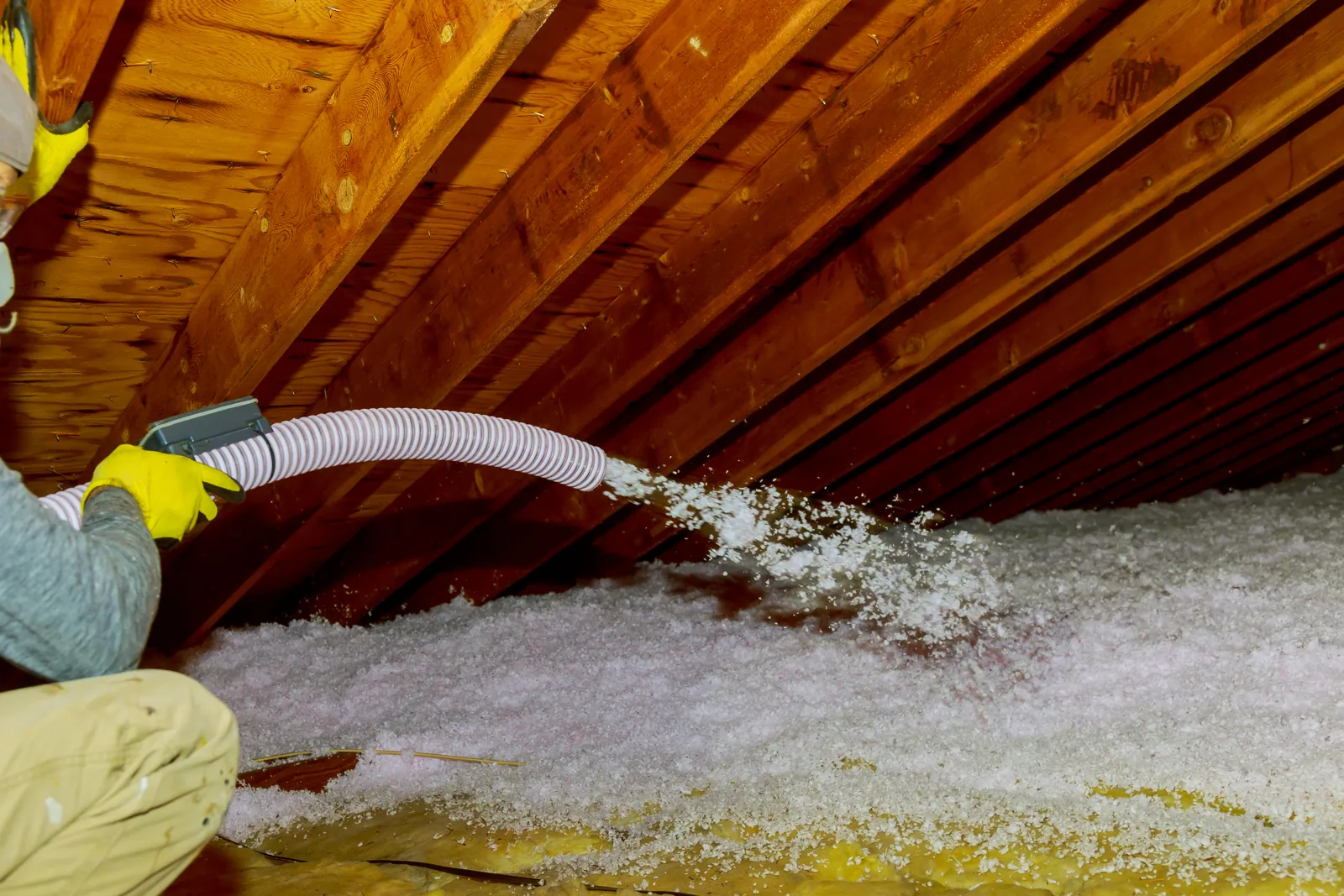
The most insulation for the money in a Valley attic
Blown in insulation is loose material sent up a hose and spread across the attic floor. It settles around joists, wiring and ductwork that batts have trouble fitting around, and it builds a blanket with no gaps at the seams.
For a typical Valley attic that already has some insulation and just needs more depth, a blown in top up is usually the best value. If the existing material is dry and clean, we leave it in place and blow new insulation over it to reach the target level.
We install both loose fill fiberglass and cellulose and will tell you which one fits your attic. Our crew is bilingual, so hablamos español if that is easier for you.
- Loose fill fiberglass that will not soak up water or settle much
- Cellulose for more insulation per inch and a denser blanket
- Top ups over existing insulation that is still dry and clean
- Air sealing at the big leaks before the new layer goes down
- Free inspection and a written price before any work begins
- Licensed and Insured
Fiberglass or cellulose?
Both do a good job in an attic. The difference is in how they handle weight, moisture and settling.
| Loose fill fiberglass | Cellulose | |
|---|---|---|
| Made from | Spun glass fibers | Recycled paper treated for fire resistance |
| Insulation per inch | About R-2.2 to R-2.9 | About R-3.2 to R-3.8 |
| Depth for the same R-value | Deeper | Shallower |
| Settling | Very little | Some, so we install a little extra |
| With moisture | Does not absorb water | Can absorb water from a roof leak |
For a closer look, read cellulose vs fiberglass insulation and blown in vs batt insulation.
Attics where blown in makes the most sense
Thin or settled attics
Insulation from decades ago has often packed down. A top up brings it back to full depth.
Crowded attics
Loose fill flows around wiring, braces and ducts where batts would leave gaps.
Rental homes
A fast, affordable way to make a rental easier to cool without opening walls.
Paired with a radiant barrier
Blown in on the floor and foil under the rafters is a strong combination for our heat.
When to skip it: if your ducts sit in a hot attic and you want them inside the cooled part of the house, or the attic leaks a lot of air, spray foam on the roof deck may be the better fit. We will tell you which way we would go.
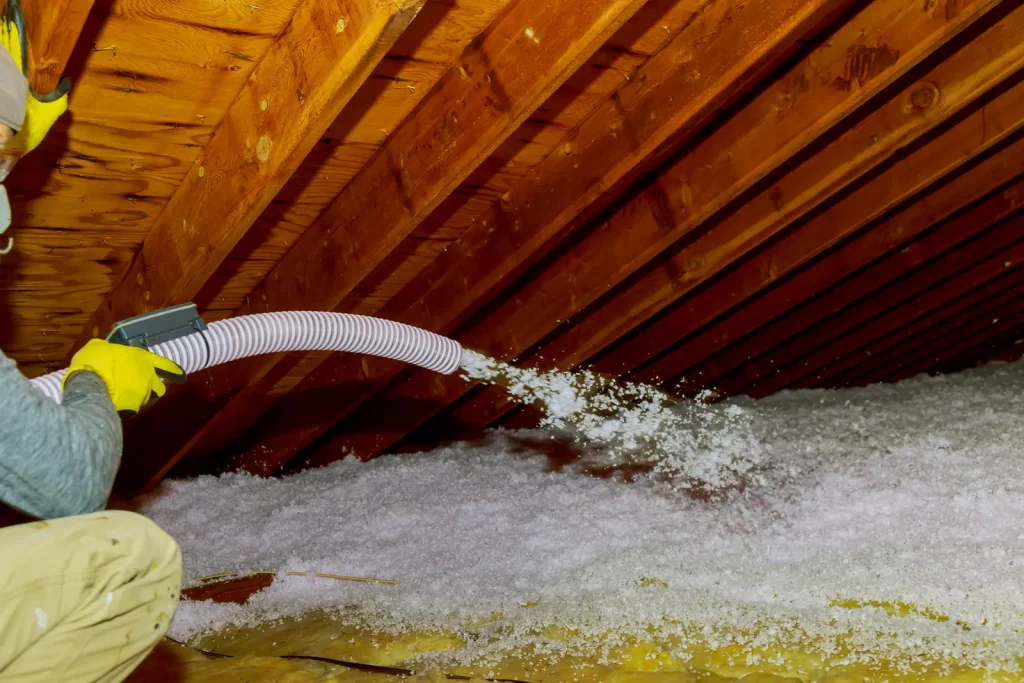
What a blown in job looks like
Look and measure
We check the depth and condition of what is there, the vents and any sign of leaks or pests.
Estimate in writing
Material, target R-value and the air sealing included, listed clearly.
Seal and prep
We seal the big leaks, set baffles at the eaves and protect the path from the truck to the attic.
Blow and tidy
Insulation goes in to an even depth with markers so you can check it later, then we clean up.
What blown in insulation costs
The price comes from the attic area, how much insulation is already there, the R-value you are aiming for and which material you choose. Easy access and an open attic keep the job quicker. Low roofs, a lot of air sealing or old material that has to come out first add time.
Every job gets a written price after a free inspection. Our page on what affects insulation cost explains what to compare between quotes.
Blown in insulation questions
Can blown in go over my old insulation?
- Yes, if the old material is dry and clean.
- If it is wet, moldy or has droppings, it should come out first.
Does blown in insulation settle?
- Some settling is normal, more with cellulose than fiberglass.
- We install to a depth that allows for it and mark the level so you can check.
How deep does it need to be?
- It depends on the material, since the R-value per inch differs.
- We set a target R-value for your attic and install the depth that reaches it.
- R-value explained covers the basics.
How long does it take?
- A top up in a typical attic often takes half a day. Bigger jobs take a full day.
More Insulation Services and Guides You’ll Love
Blown in insulation near you
Get a free blown in insulation estimate
Prefer to talk? Call us and we will set up your free inspection. Hablamos español.