Batt, fiberglass and wall insulation in the Rio Grande Valley
Fiberglass and mineral wool batts for open walls, additions and garage conversions, plus options for closed walls in existing homes.
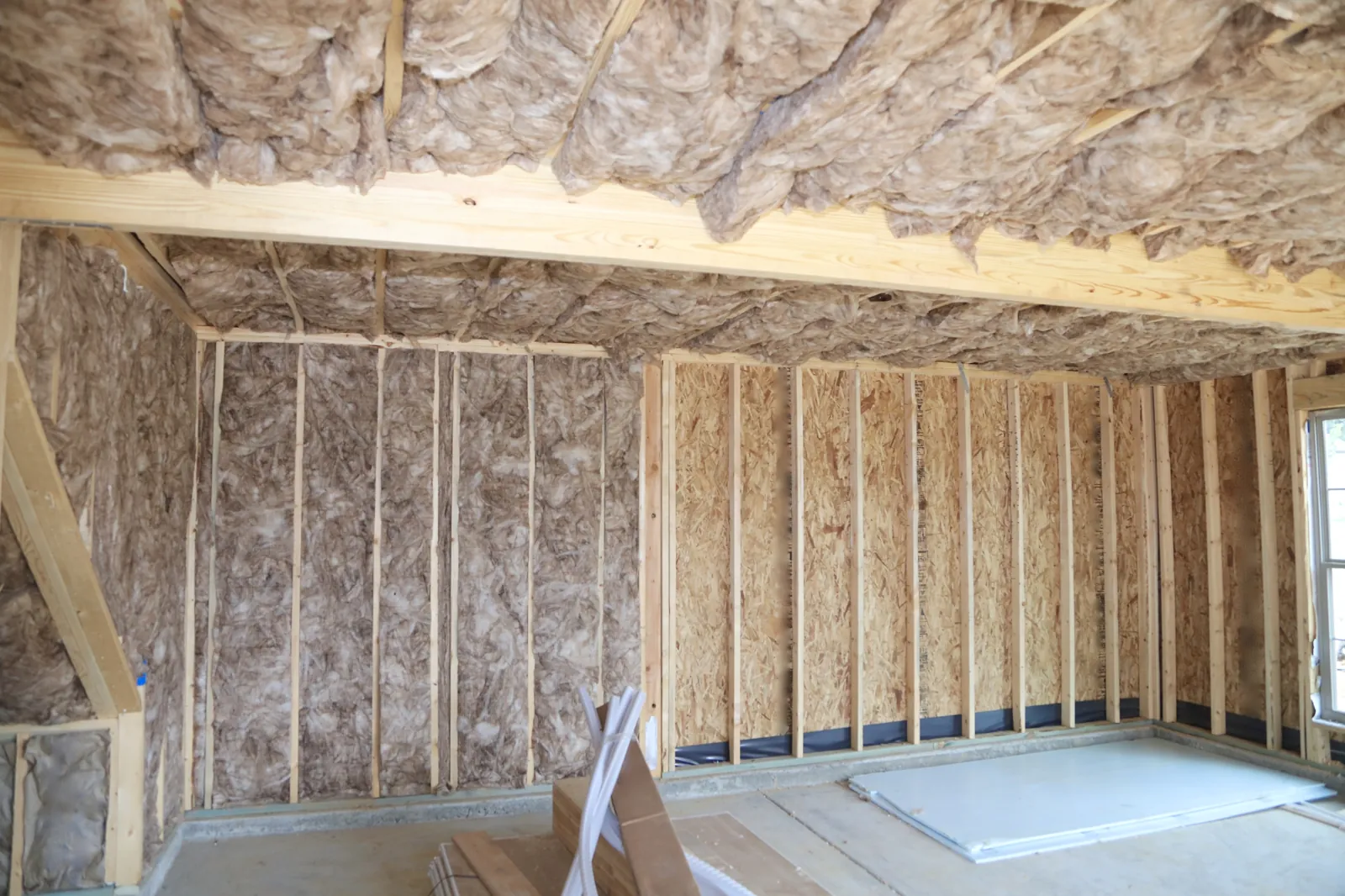
The standard choice when the walls are open
Batts are cut lengths of fiberglass or mineral wool fitted between studs and joists. When the framing is open, whether that is new construction, an addition, a remodel or a garage conversion, batts are a quick and economical way to get insulation in place.
The catch is that batts only perform when they fill the cavity. Squeezed behind wiring, stuffed around boxes or cut short with gaps at the ends, they lose a real share of their rated R-value. Careful cutting and fitting is most of the job, and it is what we focus on.
Valley homes are a mix of wood frame and concrete block, and walls in older houses are often empty. We look at how your walls are built before recommending anything. Our crew is bilingual, so hablamos español if that helps.
- Fiberglass batts for walls, ceilings and new framing
- Mineral wool for sound control and added fire resistance
- Garage conversions and additions insulated before drywall
- Air sealing at plates, outlets and penetrations, since batts do not stop air
- Free inspection and a written price before any work begins
- Licensed and Insured
Which wall insulation fits your house?
The right option depends on whether the walls are open or closed, and how they are built.
| Situation | Usual fit | Why |
|---|---|---|
| Open frame walls, new build or remodel | Fiberglass or mineral wool batts | Fast, economical, easy to inspect before drywall |
| Closed frame walls in an existing home | Insulation blown in through small holes | Fills the cavity without tearing out drywall |
| Walls that need an air seal too | Open cell spray foam | Insulates and seals in one step |
| Concrete block walls | Depends on the wall | Options are more limited, so we look first and explain them |
Fiberglass batts run about R-2.9 to R-3.8 per inch and mineral wool about R-3.3 to R-4.2. In a hot, humid climate we generally avoid plastic sheeting on the inside of walls, since it can trap moisture in the wall. Our post on wall insulation for existing Valley homes covers closed walls in more detail.
Jobs where batts are the right tool
New homes and additions
Open framing is the cheapest time to insulate walls well. See our notes on new construction insulation.
Garage conversions
A garage turned into a bedroom or office needs wall and ceiling insulation before drywall goes up.
Remodels
When a wall is open for plumbing or electrical work, insulating it now costs little extra.
Shared and interior walls
Mineral wool between rooms or units cuts noise from TVs, plumbing and neighbors.
When to skip it: in a closed attic, blown in insulation covers better than batts and costs less to install. We will point you there if that is the case.
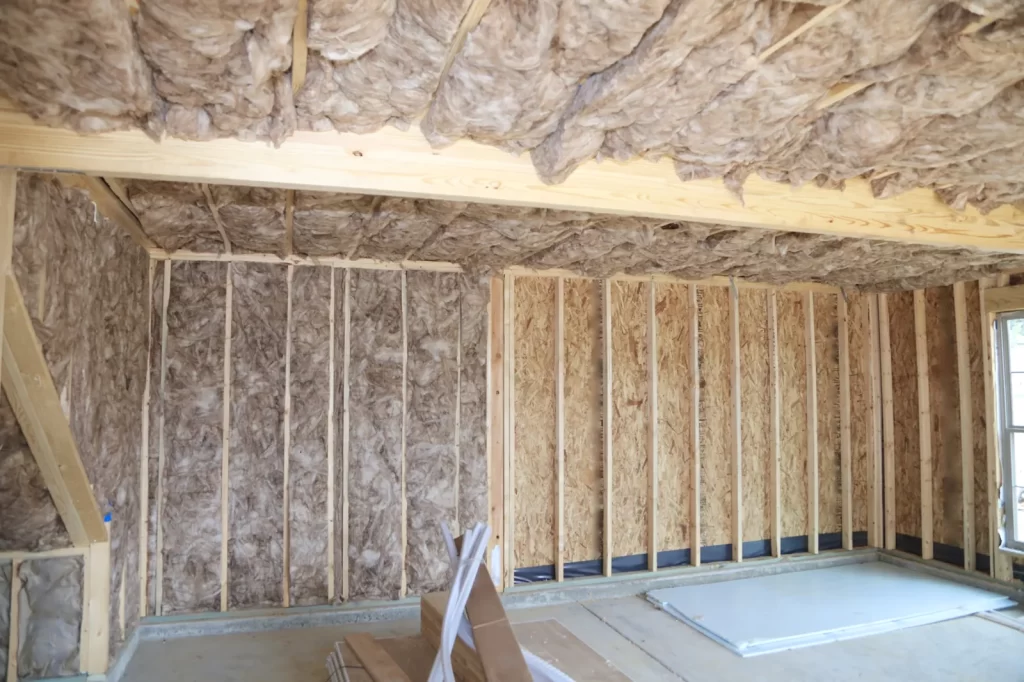
What a batt or wall job looks like
Look and measure
We check the framing, wall type, wiring and any moisture before we price anything.
Estimate in writing
Material, R-value and every wall or ceiling covered, listed clearly.
Seal and fit
Gaps at plates and penetrations get sealed, then batts are cut to fit around wiring and boxes.
Check and tidy
Every cavity is checked for gaps before drywall, and scraps are hauled off.
What batt and wall insulation costs
The price depends on the square footage of wall and ceiling, the wall depth and R-value, fiberglass or mineral wool, and how much air sealing the framing needs. Closed walls cost more than open ones because the material has to go in through small holes that are patched afterward.
Every job gets a written price after a free inspection. Our page on what affects insulation cost explains what to compare between quotes.
Batt and wall insulation questions
When are batts the right choice?
- When the walls or joists are open and easy to reach.
- When budget matters more than getting an air seal from the insulation itself.
Can you insulate walls without tearing them out?
- Often, yes, for frame walls. Insulation is blown in through small holes that are patched afterward.
- Block walls are different. We look at the wall and explain what is practical.
Do batts stop air leaks?
- No. Batts slow heat but air passes through them.
- We seal the gaps separately. See air sealing vs insulation.
Fiberglass or mineral wool?
- Fiberglass for most homes.
- Mineral wool where you want better sound control or fire resistance, such as a shared wall.
More Insulation Services and Guides You’ll Love
Batt and wall insulation near you
Get a free wall insulation estimate
Prefer to talk? Call us and we will set up your free inspection. Hablamos español.