What insulation costs in the Rio Grande Valley, and why
No price lists. Here is what actually moves the number on a Valley insulation job, how the materials compare, and how to read quotes side by side.
Why we do not post a price list
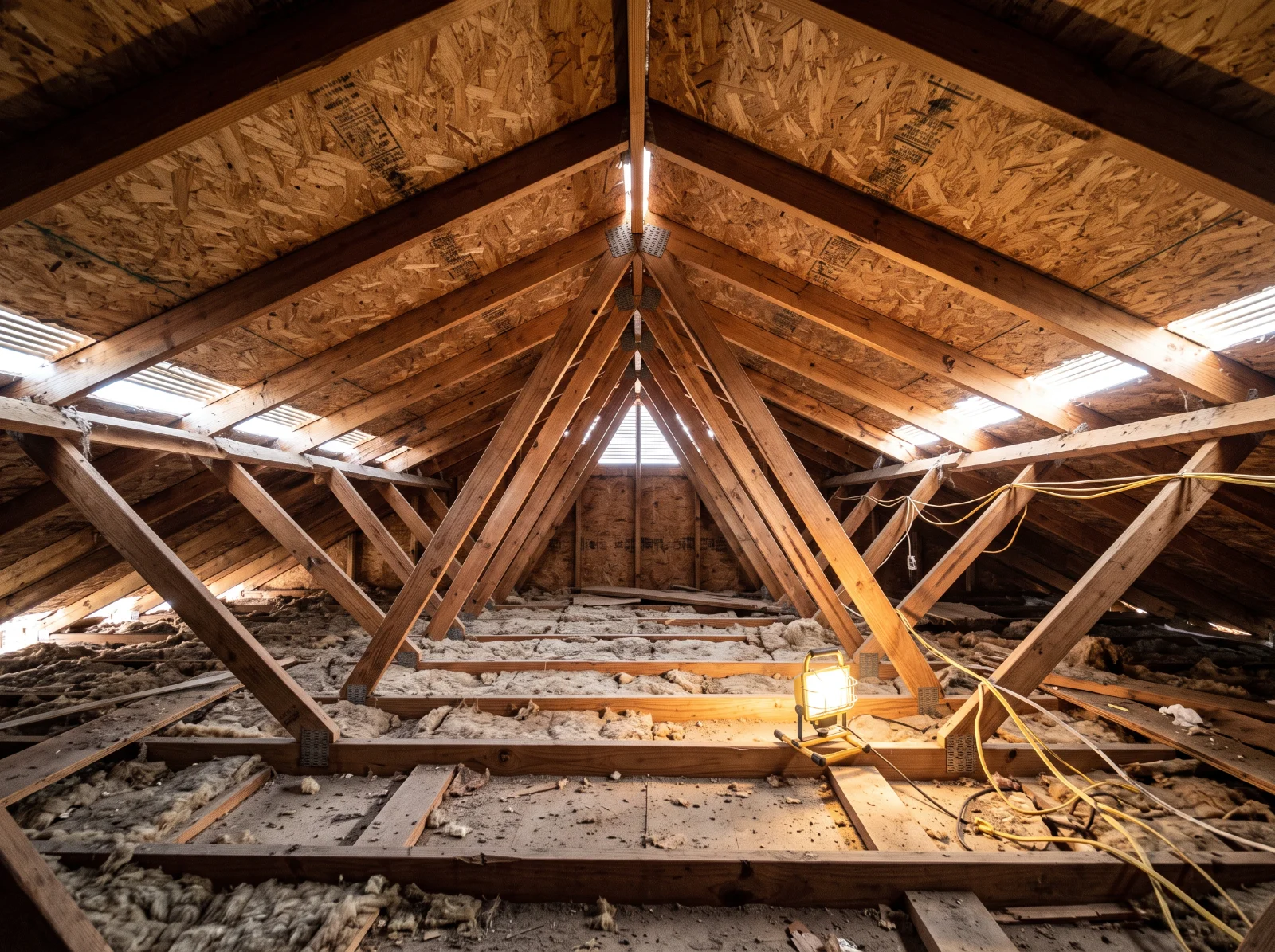
Two houses on the same street in McAllen or Harlingen can need very different work. One attic has a few inches of settled insulation and open access. The next has wet, matted material, a crowded air handler and a low roof. A price list would be wrong for both.
What we can do is explain what drives the number, so the written estimate you get after a free inspection makes sense and you can compare it fairly with anyone else’s. Our crew is bilingual, so hablamos español if you would rather go over the estimate in Spanish.
Below are the things that move the price in the Valley, how the common insulation types compare, and a checklist for reading quotes side by side.
- Free inspection of the attic, walls or building before any price is given
- Written estimate listing material, depth or thickness, and every area covered
- Removal priced separately so you can see what the cleanup costs
- Options explained when more than one approach would work
- Licensed and Insured
How the common insulation types compare on cost
This is a relative guide, not a quote. The right choice depends on where the insulation is going and what problem you are solving. A cheaper material that fits the job is often the better buy.
| Type | Relative cost | What you get for it | Where it fits best |
|---|---|---|---|
| Blown in fiberglass or cellulose | Lower | Even coverage over the attic floor, easy to top up | Open attics that need more depth |
| Fiberglass batts | Lower | Insulation in open framing | New walls, additions, remodels, garages |
| Radiant barrier | Lower to moderate | Reflects roof heat before it reaches the attic floor | Hot, sunny attics, especially with ducts up there |
| Rigid foam board | Moderate | High R-value in a thin layer | Block walls, attic hatches, tight spots |
| Open cell spray foam | Higher | Insulation and an air seal in one layer | Roof decks over ducts, leaky homes, walls |
| Closed cell spray foam | Highest | The most R-value per inch and a moisture resistant layer | Metal buildings, shops, damp spots |
For a closer look at each option, see blown in insulation, spray foam insulation and our comparison of spray foam vs fiberglass.
Eight things that move the price in the Valley
Area
The square footage of the attic floor, roof deck, walls or building. More area means more material and more time.
Material
Blown in and batts cost less than spray foam. Closed cell foam costs more than open cell.
Depth or thickness
Going from a few inches to R-38 or R-49 in an attic takes more material than a light top up. Foam is priced by thickness too.
Access
Low roofs, steep pitches, tight framing and attics packed with stored items take longer to work in.
Removal first
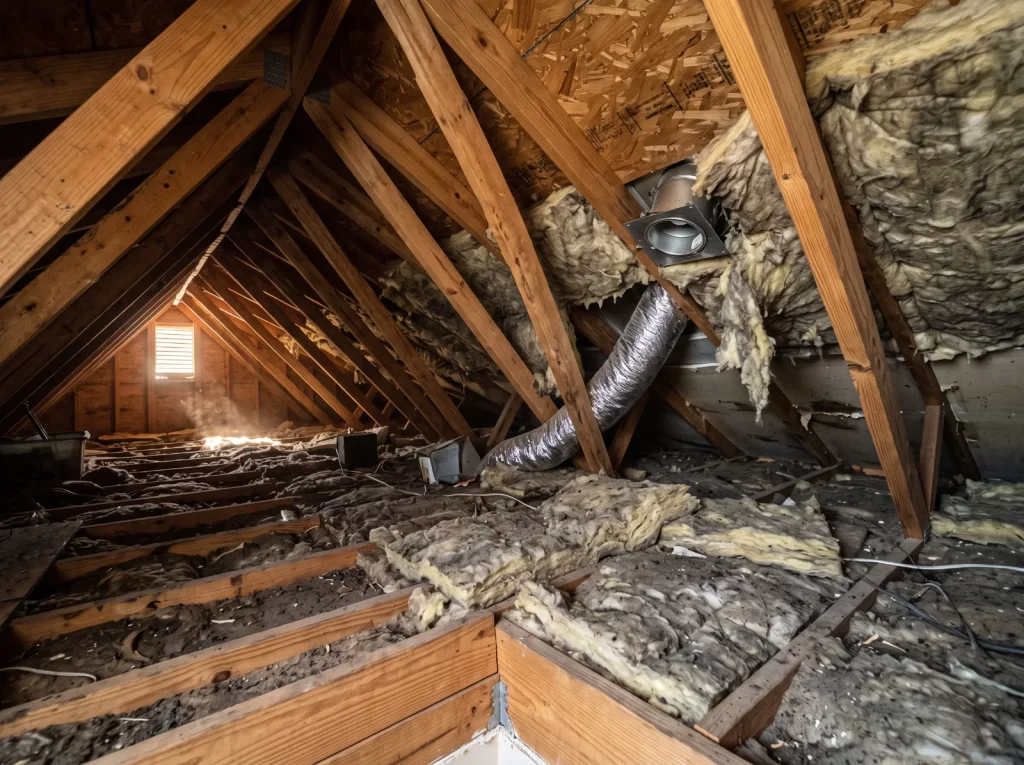
Wet, moldy or contaminated insulation has to come out before new goes in. That is a separate line on the estimate.
Attic condition
Roof leaks, missing baffles, open can lights and gaps around pipes all need attention before or during the job.
Ductwork
Most Valley homes run ducts through the attic. Working around them, or choosing to foam the roof deck to bring them inside, changes the scope.
Commercial scale
Warehouses and metal buildings involve large areas, lifts and scheduling around business hours. See commercial insulation.
What raises or lowers a quote
Usually raises it
- Old insulation that has to be removed
- Rodent droppings or moisture damage
- Low or crowded attics
- Closed cell foam
- Walls that are already closed up
- Many small separate areas
Usually lowers it
- Adding over sound existing insulation
- Open, easy to reach attics
- Blown in instead of foam where it fits
- An empty house or cleared attic
- Doing several areas in one visit
How to compare quotes fairly
The lowest number is only a good deal if it covers the same work. Line the quotes up and check each one for these.
- Same material: blown in, batts, open cell or closed cell foam, named clearly
- Same target: a final R-value for attics, or an inch thickness for foam
- Same areas: attic floor, roof deck, walls, garage, every space listed
- Removal: included or not, and how the old material is hauled off
- Air sealing: can lights, top plates, pipe holes and the attic hatch
- Prep and extras: baffles, radiant barrier, protective coatings where code calls for them
- Cleanup: who cleans up and what the house looks like when the crew leaves
More tips are in our checklist for choosing an insulation contractor in the RGV. For detail on specific jobs, see attic insulation cost in the RGV and spray foam cost in the RGV.
Insulation cost questions
Why can you not give me a price over the phone?
- The price depends on what is in the attic or walls right now.
- Photos help, but a short visit catches moisture, droppings and access issues that change the job.
Is the inspection really free?
- Yes. You get a written estimate and there is no obligation to book.
Is it cheaper to add over old insulation?
- Usually, yes, when the old material is dry and clean.
- If it is wet, moldy or full of droppings, it has to come out first. See removal and replacement.
Is spray foam worth the higher price?
- It can be when ducts run through a hot attic or the house leaks a lot of air.
- If you only need more depth on a dry attic floor, blown in usually gets you further for the money.
Are there rebates for insulation in the Valley?
- Some electric providers and programs offer incentives from time to time, and the rules change.
- We do not promise a rebate in an estimate. Read insulation rebates and energy savings in the RGV for what to ask your provider.
Does the estimate change once work starts?
- The written estimate is the plan. If we find something hidden, like a roof leak, we stop and talk with you before doing anything extra.
More Insulation Guides You’ll Love
Get a free written insulation estimate
Prefer to talk? Call us and we will set up your free inspection. Hablamos español.