Incentives change often. Here is how they generally work, and how to verify what actually applies to you.
Upgrading your insulation is one of the smartest ways to lower your electric bill in the Valley, and depending on the programs available when you do the work, you may be able to offset some of the cost with a tax credit or a utility rebate. For Rio Grande Valley homeowners planning a project in 2026, it pays to understand how these incentives generally work.
One important note up front: tax credits and rebate programs change often, and eligibility depends on your specific situation, your utility provider, and the current rules. Everything below is general information, not tax or legal advice. Always confirm the current programs, amounts, and requirements before you count on any incentive. When in doubt, check with the official program source and a qualified tax professional.
Key takeaways
- A tax credit reduces the tax you owe, which is different from a deduction.
- Insulation and air sealing have typically been qualifying categories.
- Utility rebates are separate, and depend entirely on who serves your home.
- The savings are worth it even without incentives.
How do insulation tax credits work?
A tax credit reduces the amount of tax you owe, which is different from a deduction. The federal government has, in recent years, offered energy-efficiency tax credits for qualifying home improvements, including insulation and air sealing, as part of broader clean-energy and energy-efficiency programs.
In general terms, these credits have worked like this: you make a qualifying improvement, keep your receipts and any required documentation, and claim the credit when you file your federal taxes for that year. Credits are often calculated as a percentage of the cost of qualifying materials, up to annual limits, and specific rules apply to what counts and how much you can claim.
Because the exact percentages, caps, and qualifying criteria are set by current tax law and can be adjusted or allowed to expire, we are not going to promise a specific dollar amount here. What matters is the process: verify the credit that is active for the year you do the work, confirm your project qualifies, and keep good records. The official IRS guidance and a tax professional are your best sources for the current details.
What federal energy-efficiency credits might apply?
Federal energy-efficiency incentives for homeowners have generally focused on improvements that reduce energy use, and insulation and air sealing have typically been among the qualifying categories. To claim a credit, projects usually need to meet certain efficiency standards and be installed at your primary residence, though the specifics vary by program and year.
Here is the responsible way to approach it:
- Confirm it is active. For the tax year of your project. Programs get renewed, changed, or phased out over time.
- Check the criteria. For insulation and air sealing, including any efficiency or product standards.
- Note the limits. The annual caps and how the credit is calculated for your situation.
- Keep documentation. Receipts, product information, and any manufacturer certification statements.
- Talk to a professional. A tax professional can apply the current rules to your return.
We can provide the paperwork and product details that document your insulation project. What we cannot do is guarantee any particular credit, because that depends on the law in effect and your personal tax situation.
Are there utility rebates for insulation in the Valley?
Beyond federal tax credits, many Texas utility providers have offered rebate programs that reward energy-efficiency upgrades, including insulation and air sealing. In the Valley, that means checking with providers like AEP Texas, Magic Valley Electric Cooperative, or Sharyland Utilities, depending on who serves your home. These rebates are separate from tax credits and are administered by individual utilities or energy programs, so availability depends entirely on your provider and where you live.
Utility rebates often work by paying you back a portion of your project cost, sometimes based on the amount of insulation added or the energy savings achieved. Some programs require a pre-inspection, use of an approved contractor, or an application submitted within a certain window. Because these details differ by utility and change from year to year, the only reliable way to know what is available is to contact your electric provider directly and ask about current energy-efficiency rebates.
A quick call to AEP Texas, Magic Valley Electric, or your provider, or a look at the energy-efficiency section of their website, will tell you what is on offer right now and how to qualify.
How can I find current programs and rebates?
Because incentives shift so often, use these steps to find what actually applies to you in 2026:
- Call your utility. AEP Texas, Magic Valley Electric, or Sharyland Utilities. Ask specifically about insulation and air-sealing rebates and their current requirements.
- Check federal sources. For the current energy-efficiency home improvement tax credit rules.
- Search incentive databases. Reputable government and energy databases track state and local incentives by ZIP code.
- Ask a tax professional. How any federal credit applies to your return.
- Save your paperwork. All documentation from your insulation project, so you are ready to apply or claim.
Taking these steps before you commit ensures you are working from current information rather than an outdated article or a sales pitch.
Is the savings worth it even without incentives?
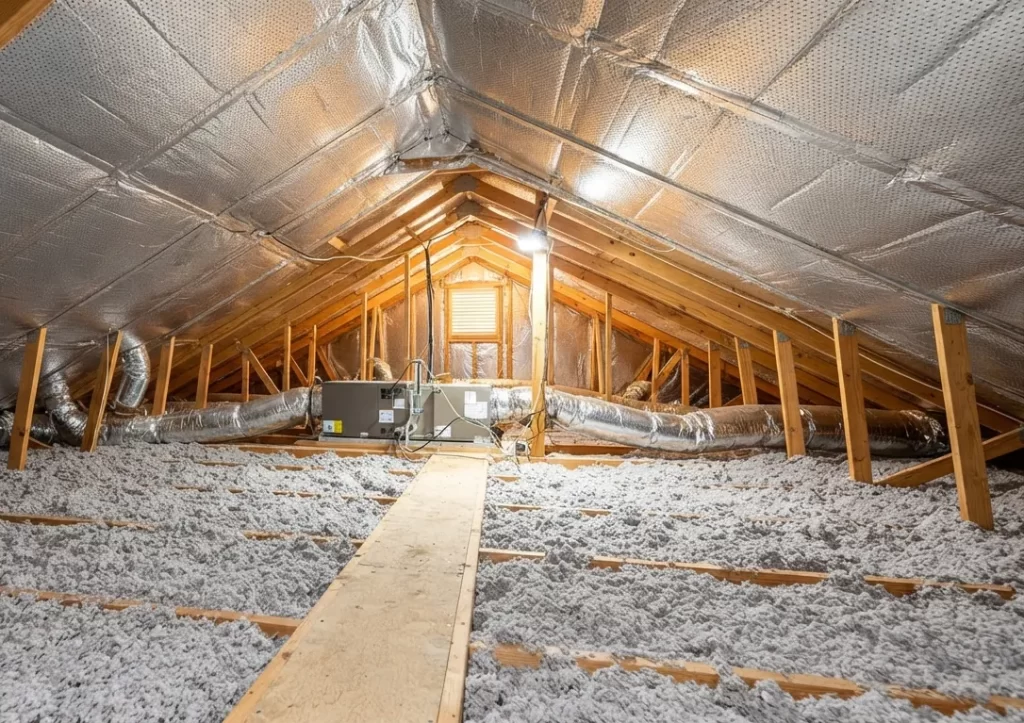
Yes. Incentives are a nice bonus, but the main payoff from insulation is lower electric bills year after year. In the Valley climate, where attics reach 130 to 150 degrees in summer and AC systems run hard for most of the year, better insulation and air sealing can noticeably cut cooling costs and improve comfort.
Think of any rebate or credit as icing on the cake rather than the whole reason to do the project. Even if a particular program is not available when you upgrade, a well-insulated Valley home keeps paying you back through comfort and savings on your AEP Texas or Magic Valley Electric bill.
Frequently asked questions
Is there a federal tax credit for insulation in 2026?
The federal government has offered energy-efficiency tax credits that include insulation and air sealing in recent years, but the exact rules, amounts, and availability can change. Confirm what is active for the year of your project through official IRS guidance and a tax professional before counting on it.
How much can I get back for insulating my Valley home?
There is no single guaranteed amount, because it depends on the current tax credit rules, any utility rebates in your area, and the specifics of your project. Rather than promise a number, we recommend verifying current programs directly with the IRS, a tax professional, and your utility provider.
Do RGV utilities offer insulation rebates?
Many Texas utility providers have offered energy-efficiency rebates that can include insulation, but programs vary by provider and change over time. Contact AEP Texas, Magic Valley Electric Cooperative, or your electric company directly to ask about current rebates, eligibility, and how to apply.
What documentation do I need to claim an insulation incentive?
Generally you will want itemized receipts, product information or manufacturer certification statements, and records of the work performed. Requirements differ by program, so check the current rules for the specific credit or rebate you are pursuing, and keep everything organized.
Related reading and services
- Service: Attic Insulation and Radiant Barrier
- Cornerstone: Best Insulation for the Rio Grande Valley
- Blog: Does Spray Foam Lower Your Electric Bill in the Valley?
- Blog: How Much Does Attic Insulation Cost in the RGV?