Insulation is like a thick sweater. Air sealing is the windbreaker. Your home needs both.
Many Rio Grande Valley homeowners assume that if they pile enough insulation into the attic, their home will be comfortable and their bills will drop. Insulation is essential, but it only does half the job. Without air sealing, air leaks let your conditioned air escape and hot, humid Valley air pour in, right around all that insulation. In the RGV climate, that leakage can quietly undo a lot of good work and keep your AEP Texas or Magic Valley Electric bill high.
This guide explains the difference between air sealing and insulation, why the two work as a team, where the biggest leaks hide, and how a blower door test finds them.
Key takeaways
- Insulation slows heat. Air sealing stops air from moving.
- Top plates, penetrations, can lights, and the attic hatch are the usual leaks.
- A blower door test turns air sealing from guesswork into a targeted plan.
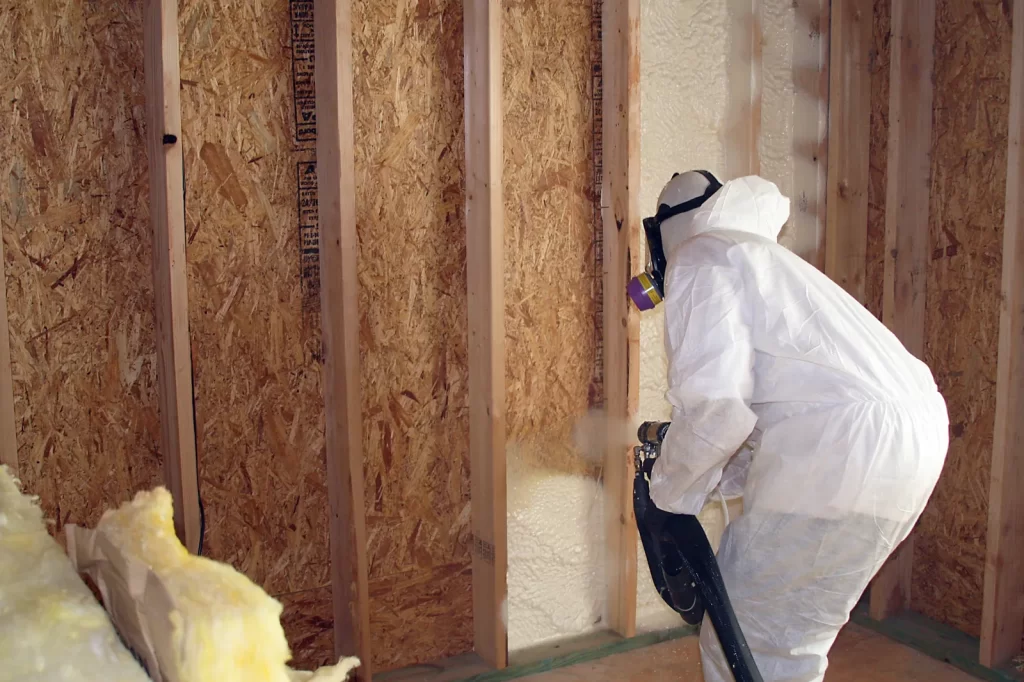
- Spray foam does both jobs in one step, which is why it is popular here.
What is the difference?
They solve two different problems.
- Insulation. Slows the transfer of heat through your walls, ceilings, and floors. It resists heat flow, measured as R-value, so heat moves more slowly between inside and outside.
- Air sealing. Closes the gaps and cracks that let air physically move in and out of your home. It stops drafts and leakage.
Insulation slows heat, but air still flows through gaps around it. Think of insulation like a thick sweater and air sealing like a windbreaker. A sweater keeps you warm in still air, but on a windy day you need the windbreaker to stop the air moving through. Your Valley home works the same way. You need both.
Why do you need both?
When air leaks freely through your home, three things happen. Your AC runs longer to keep up, humid outdoor air raises the moisture level inside, and comfort suffers with hot spots and uneven temperatures. Insulation alone cannot fix leakage, and air sealing alone cannot slow heat through a solid ceiling. Together they:
- Keep cool air in. The cool, dehumidified air you paid for stays inside your home.
- Block humid air out. Hot, humid Valley air stops sneaking in.
- Ease the HVAC load. Less runtime, which can lower your electric bill.
- Improve comfort. Fewer drafts and hot spots.
- Control humidity. And the mold problems that follow in the RGV.
This is exactly why spray foam is so popular in the Valley. It insulates and air seals in one step. With other insulation types like blown-in or batts, air sealing is a separate but equally important task.
Where are the most common air leaks?
Air leaks add up from many small gaps rather than one big hole. The most common culprits in a typical Valley home include:
- Top plates. The gaps where interior walls meet the attic are a major leakage path.
- Wiring and plumbing. Every hole drilled for a wire or pipe is a potential leak.
- Recessed can lights. Older recessed lights can leak air straight into the attic.
- Attic hatch or pull-down stairs. Often uninsulated and poorly sealed.
- Ductwork. Leaky ducts and connections lose conditioned air, especially in a scorching, unconditioned Valley attic.
- Windows and doors. Gaps in framing and worn weatherstripping let air move.
- Rim joists and sill plates. Where the framing meets the foundation, including pier-and-beam homes common in the RGV.
- Chimney and flue chases. Gaps around these can be significant.
Sealing these spots with the right materials, from caulk and foam to gaskets, stops the leaks that waste your energy dollars.
What is a blower door test?
A blower door test is the professional way to measure how leaky your home is. A technician mounts a powerful fan in an exterior doorway and uses it to lower the air pressure inside the home. That pressure difference pulls outside air in through every crack and gap, which makes the leaks easy to find and measure.
The test tells you two useful things. First, an overall number for how much your home leaks, so you know how much room there is to improve. Second, with the fan running, a technician can move through the house and pinpoint exactly where air is rushing in, whether that is the attic hatch, a wall of can lights, or leaky ductwork. That turns air sealing from guesswork into a targeted plan.
Not every home needs a blower door test before air sealing, but it is a valuable tool for diagnosing a drafty or hard-to-cool Valley home and for confirming that the work paid off.
How air sealing pairs with each insulation type
Air sealing works alongside any insulation you choose:
- With blown-in. Seal the attic leaks first, then add blown-in depth on top. The sealing stops airflow, and the insulation slows heat.
- With batts. Air seal the framing gaps, penetrations, and can lights before or during installation so the batts perform as rated.
- With spray foam. Foam handles air sealing and insulation at once, which is a big part of its appeal in the Valley, though ducts and other trouble spots may still need attention.
The takeaway is simple. No matter the insulation, sealing the leaks first is what lets that insulation deliver its full value in the RGV heat.
Frequently asked questions
Is air sealing more important than insulation?
Neither replaces the other. Air sealing stops air leakage and insulation slows heat flow. You get the best comfort and savings when you do both, because each addresses a problem the other cannot.
Can I air seal my home myself?
Some spots, like caulking around windows or adding weatherstripping, are DIY friendly. The biggest leaks are usually in the attic, where the work is hot, tight, and easy to get wrong, especially in a Valley summer when attics top 130 to 150 degrees. A professional can find and seal the leaks that matter most.
Do I need a blower door test?
Not always, but it is a great tool for a drafty or hard-to-cool home. It measures overall leakage and pinpoints where air is getting in, which makes air sealing far more effective.
Does spray foam handle air sealing on its own?
Largely, yes. Spray foam insulates and air seals in one step, which is why it performs so well in the humid Valley climate. Ducts and a few other areas may still need separate attention.
Will air sealing lower my electric bill?
By keeping conditioned air in and hot, humid air out, air sealing reduces the load on your HVAC, which can lower your cooling costs. Paired with proper insulation, the effect is stronger through the long Valley cooling season.
Related reading and services
- Service: Spray foam air sealing
- Service: Attic insulation and air sealing
- Cornerstone: Compare insulation types for the Valley
- Blog: Does Spray Foam Lower Your Electric Bill in the Valley?
- Blog: 7 Signs Your Valley Home Needs New Insulation